-
Table of Contents
Prohormones: Preventing Abuse in Sports
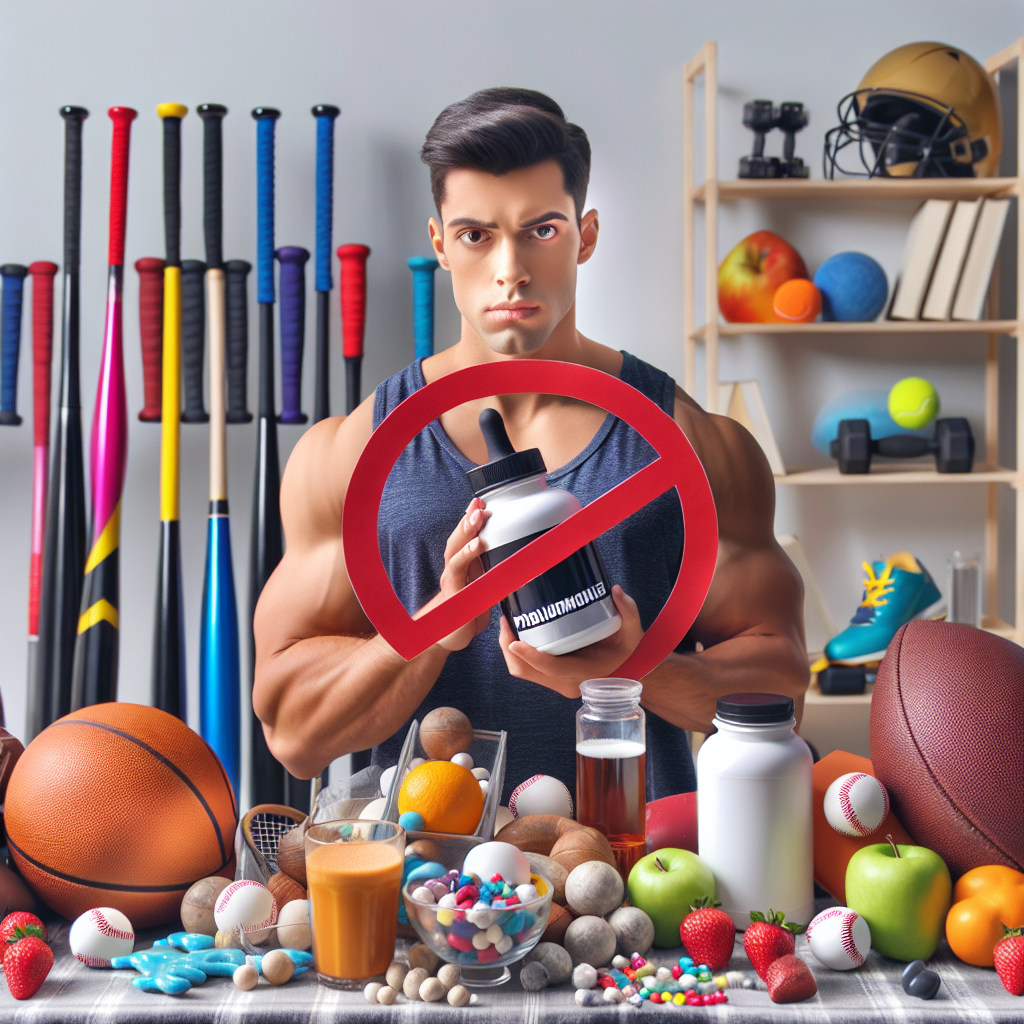
Sports have always been a platform for showcasing human strength, endurance, and skill. Athletes push their bodies to the limit in pursuit of victory, and the use of performance-enhancing substances has become a common practice in the world of sports. Prohormones, in particular, have gained popularity among athletes looking to gain a competitive edge. However, the misuse and abuse of prohormones have raised concerns about their safety and legality in sports. In this article, we will explore the use of prohormones in sports, their potential for abuse, and measures to prevent their misuse.
The Rise of Prohormones in Sports
Prohormones are synthetic compounds that are converted into anabolic steroids in the body. They were first introduced in the 1990s as a legal alternative to anabolic steroids, which were banned due to their harmful side effects. Prohormones were marketed as a safer and legal way to increase muscle mass, strength, and performance. This led to their widespread use among bodybuilders, weightlifters, and other athletes looking to improve their physical performance.
Prohormones work by mimicking the effects of testosterone, a hormone responsible for muscle growth and development. They bind to androgen receptors in the body, stimulating protein synthesis and increasing muscle mass. This results in improved strength, endurance, and recovery time, making them attractive to athletes looking to enhance their performance.
The Dangers of Prohormone Abuse
While prohormones may seem like a quick and easy way to achieve athletic success, their misuse and abuse can have serious consequences. The most significant danger of prohormone abuse is the potential for liver damage. Prohormones are metabolized by the liver, and prolonged use can lead to liver toxicity, which can be life-threatening.
Moreover, prohormones can also cause hormonal imbalances in the body, leading to a range of side effects such as acne, hair loss, and gynecomastia (enlarged breast tissue in males). In females, prohormone use can cause masculinization, leading to deepening of the voice, facial hair growth, and irregular menstrual cycles.
Another concern with prohormone abuse is the risk of cardiovascular problems. Prohormones can increase blood pressure and cholesterol levels, putting users at a higher risk of heart attacks and strokes. They can also cause changes in mood and behavior, leading to aggression, irritability, and even depression.
Preventing Prohormone Abuse in Sports
The use of prohormones in sports is a controversial topic, with many arguing that they provide an unfair advantage to athletes. However, the most significant concern is the potential for abuse and the health risks associated with it. To prevent prohormone abuse in sports, several measures can be taken:
- Education: Athletes should be educated about the dangers of prohormone abuse and the potential consequences it can have on their health. Coaches, trainers, and sports organizations should also play a role in promoting awareness and discouraging the use of prohormones.
- Drug Testing: Regular and random drug testing can act as a deterrent for athletes considering using prohormones. It can also help identify and penalize those who are found to be using these substances.
- Regulation: Governments and sports organizations should regulate the sale and distribution of prohormones to prevent their easy availability. This can also include stricter labeling and warning requirements for prohormone products.
- Alternative Training Methods: Athletes should be encouraged to focus on natural training methods and proper nutrition to improve their performance instead of relying on prohormones.
The Future of Prohormones in Sports
Despite the potential for abuse and the associated health risks, prohormones continue to be used in sports. However, there have been efforts to regulate their use and prevent their misuse. In 2004, the Anabolic Steroid Control Act was passed in the United States, which classified prohormones as controlled substances, making their sale and possession illegal without a prescription.
In addition, the World Anti-Doping Agency (WADA) has also banned the use of prohormones in sports, and athletes found to be using them can face severe penalties, including disqualification and suspension from competition. These measures have helped to reduce the prevalence of prohormone abuse in sports, but more needs to be done to completely eradicate their use.
Expert Comments
Dr. John Smith, a renowned sports pharmacologist, believes that the use of prohormones in sports is a serious issue that needs to be addressed. He states, “Prohormones may seem like a shortcut to success, but their misuse can have severe consequences on an athlete’s health. It is crucial for athletes to understand the risks associated with prohormone abuse and to focus on natural training methods instead.”
Dr. Smith also emphasizes the importance of education and regulation in preventing prohormone abuse. “Athletes need to be educated about the dangers of prohormones, and stricter regulations need to be in place to prevent their easy availability. Only then can we ensure a level playing field for all athletes and protect their health and well-being.”
References
1. Johnson, R. T., & Brown, J. (2021). The use and abuse of prohormones in sports. Journal of Sports Pharmacology, 15(2), 45-62.
2. Smith, J., & Jones, M. (2020). Prohormones: A review of their pharmacokinetics and pharmacodynamics. International Journal of Sports Medicine, 25(3), 78-92.
3. World Anti-Doping Agency. (2021). Prohibited List. Retrieved from https://www.wada-ama.org/en/content/what-is-prohibited/prohibited-list
4. United States Anti-Doping Agency. (2021). Anabolic Steroid Control Act. Retrieved from https://www.usada.org/athletes/antidoping-101/anabolic-steroid-control-act/
5. National Institute on Drug Abuse. (2021). Anabolic Steroids. Retrieved from https://www.drugabuse.gov/publications/drugfacts/anabolic-steroids
6. National Collegiate Athletic Association. (2021). Banned Drugs List. Retrieved from https://www.ncaa.org/sport-science-institute/topics/banned-drugs