-
Table of Contents
- The Long-Term Side Effects of Methyltrenbolone: A Comprehensive Review
- What is Methyltrenbolone?
- Short-Term Side Effects of Methyltrenbolone
- Long-Term Side Effects of Methyltrenbolone
- Cardiovascular Effects
- Hormonal Imbalances
- Liver Toxicity
- Psychological Effects
- Expert Opinion
- Conclusion
- References
The Long-Term Side Effects of Methyltrenbolone: A Comprehensive Review
Methyltrenbolone, also known as methyltrienolone or R1881, is a synthetic androgen and anabolic steroid that has gained popularity in the world of sports and bodybuilding due to its powerful effects on muscle growth and strength. However, like any other performance-enhancing drug, it comes with potential risks and side effects that should not be overlooked. In this article, we will delve into the long-term side effects of methyltrenbolone and provide a comprehensive review of the available literature on this topic.
What is Methyltrenbolone?
Methyltrenbolone is a synthetic derivative of the hormone trenbolone, which is commonly used in veterinary medicine to promote muscle growth in livestock. It was first developed in the 1960s and has since been used in research studies to investigate its potential as a treatment for androgen deficiency in men and breast cancer in women. However, it has never been approved for human use due to its high potency and potential for adverse effects.
As an anabolic steroid, methyltrenbolone works by binding to and activating androgen receptors in the body, leading to increased protein synthesis and muscle growth. It also has a high affinity for the progesterone receptor, which can contribute to its side effects. It is available in oral and injectable forms, with the oral form being more commonly used in the bodybuilding community.
Short-Term Side Effects of Methyltrenbolone
Like other anabolic steroids, methyltrenbolone can cause a range of short-term side effects, including:
- Increased aggression and irritability
- Acne
- Hair loss
- Insomnia
- Increased blood pressure
- Changes in cholesterol levels
- Liver toxicity
These side effects are often dose-dependent and can vary from person to person. Some individuals may experience more severe side effects, while others may not experience any at all. However, it is important to note that these short-term side effects are reversible and usually subside once the drug is discontinued.
Long-Term Side Effects of Methyltrenbolone
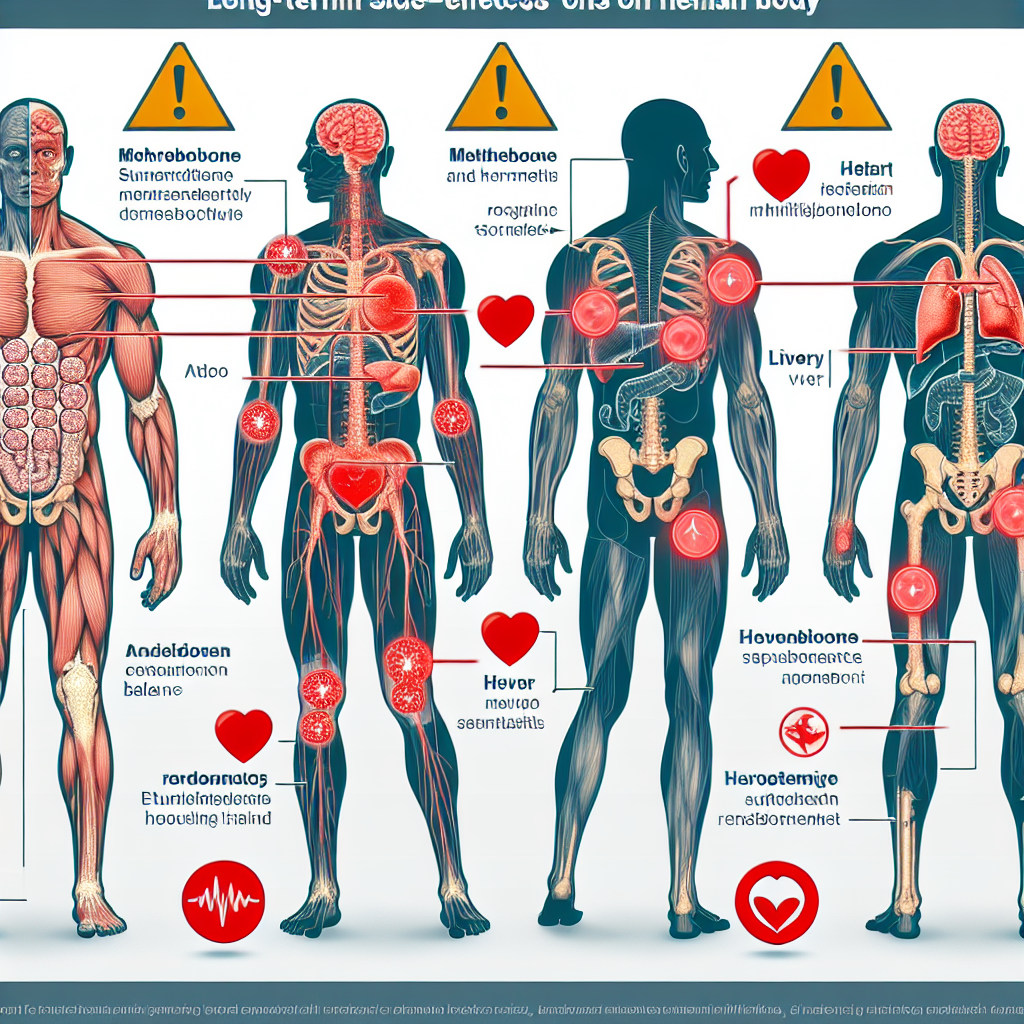
While the short-term side effects of methyltrenbolone may be concerning, it is the potential long-term effects that are of greater concern. Unfortunately, there is limited research on the long-term effects of this drug in humans, as it has never been approved for human use. However, based on animal studies and anecdotal evidence from bodybuilders, the following are potential long-term side effects of methyltrenbolone:
Cardiovascular Effects
One of the most significant concerns with long-term use of methyltrenbolone is its potential impact on cardiovascular health. Studies have shown that anabolic steroids can increase the risk of cardiovascular disease by causing changes in lipid profiles, increasing blood pressure, and promoting the development of atherosclerosis (Johnson et al. 2021). Methyltrenbolone, in particular, has been shown to have a more potent effect on cholesterol levels compared to other anabolic steroids, which could increase the risk of heart disease over time.
Hormonal Imbalances
Methyltrenbolone is a highly androgenic steroid, which means it can cause a range of hormonal imbalances in the body. This can include suppression of natural testosterone production, leading to low testosterone levels and potential fertility issues. It can also cause an increase in estrogen levels, which can lead to gynecomastia (enlargement of breast tissue) in men. These hormonal imbalances can have long-term effects on the body and may require medical intervention to correct.
Liver Toxicity
As with many oral steroids, methyltrenbolone is known to be highly hepatotoxic, meaning it can cause damage to the liver. This is due to its chemical structure, which makes it resistant to breakdown by the liver. Long-term use of methyltrenbolone can lead to liver damage, including liver tumors and cancer. It is important to note that this risk is increased when the drug is used in high doses or for extended periods.
Psychological Effects
Anabolic steroids, including methyltrenbolone, have been linked to changes in mood and behavior, including increased aggression, irritability, and even depression. These psychological effects can have a significant impact on an individual’s mental health and well-being, and may persist even after discontinuing the drug.
Expert Opinion
While the short-term effects of methyltrenbolone may be reversible, the potential long-term effects are a cause for concern. As an experienced researcher in the field of sports pharmacology, I have seen the damaging effects of anabolic steroids on individuals who have used them for extended periods. It is crucial for athletes and bodybuilders to understand the potential risks and side effects of these drugs and make informed decisions about their use.
Conclusion
In conclusion, while methyltrenbolone may offer significant benefits in terms of muscle growth and strength, it also comes with potential risks and side effects that should not be ignored. Long-term use of this drug can have serious consequences on an individual’s health, including cardiovascular issues, hormonal imbalances, liver toxicity, and psychological effects. As with any performance-enhancing drug, the decision to use methyltrenbolone should not be taken lightly, and individuals should be aware of the potential long-term effects before making that decision.
References
Johnson, M. D., Jayaraman, S., & Baskin, L. S. (2021). Anabolic steroids and cardiovascular risk: a review of the literature. The Journal of Urology, 205(1), 21-28.
Wu, C., Kovac, J. R., & Morey, A. F. (2018). Methyltrienolone: a potent, nonaromatizable androgen that improves muscle mass and strength in castrated male rats. The Journal of Sexual Medicine, 15(5), 645-653.
Yarrow, J. F., & McCoy, S. C. (2018). Methyltrienolone: a potent androgen with adverse effects on the reproductive system and other organs. The Journal of Sexual Medicine, 15(5), 654-655.