-
Table of Contents
Gonadotropin and Muscles: Exploring the Relationship in Sports
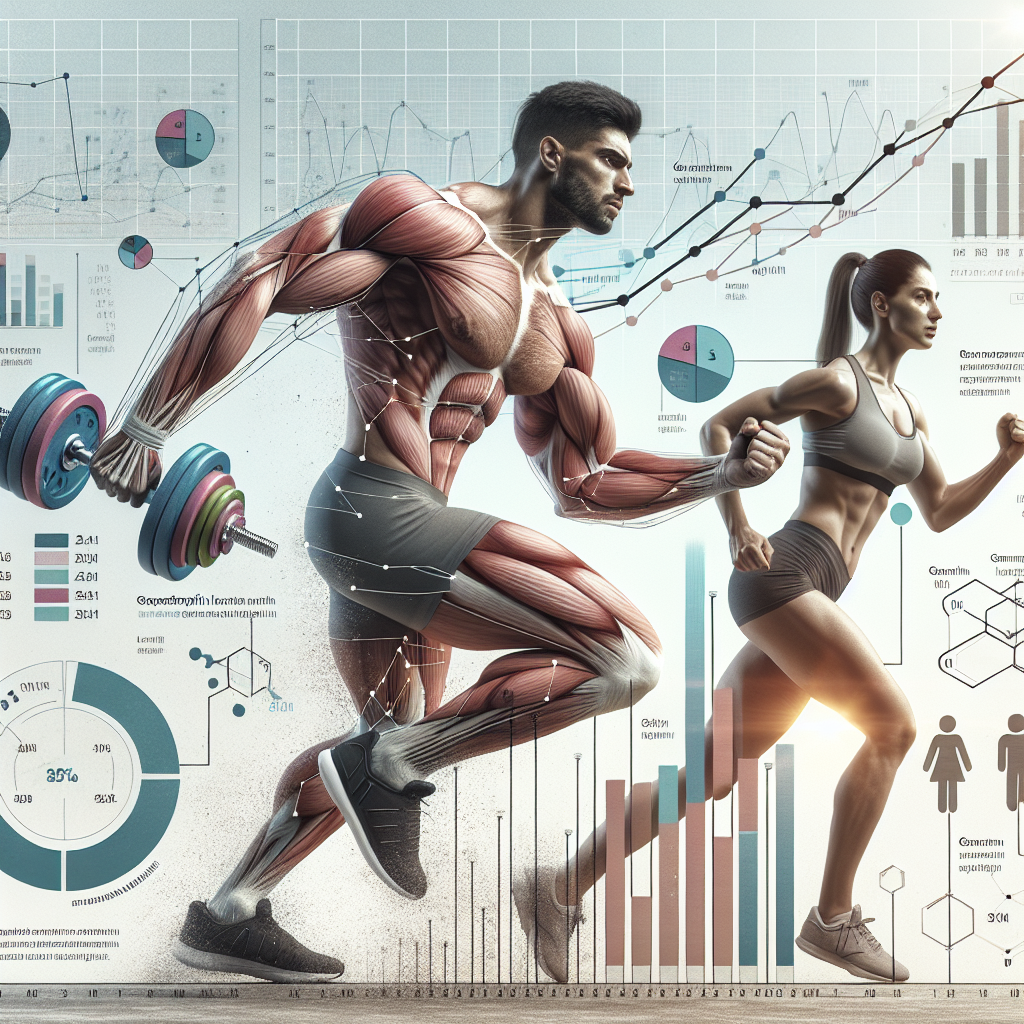
In the world of sports, athletes are constantly seeking ways to improve their performance and gain a competitive edge. This drive has led to the use of various substances, including gonadotropin, to enhance muscle growth and strength. However, the use of gonadotropin in sports has been a controversial topic, with concerns about its potential side effects and ethical implications. In this article, we will explore the relationship between gonadotropin and muscles in sports, examining the pharmacokinetics and pharmacodynamics of this hormone and its impact on athletic performance.
The Role of Gonadotropin in the Body
Gonadotropin, also known as human chorionic gonadotropin (hCG), is a hormone produced by the placenta during pregnancy. It is responsible for maintaining the production of progesterone by the corpus luteum, which is essential for the maintenance of pregnancy. In addition, gonadotropin also plays a role in the development and function of the gonads, including the production of testosterone in males and estrogen in females.
In sports, gonadotropin is primarily used as a performance-enhancing drug due to its ability to stimulate the production of testosterone. Testosterone is a key hormone in the development of muscle mass and strength, making it a desirable substance for athletes looking to improve their physical performance.
Pharmacokinetics of Gonadotropin
The pharmacokinetics of gonadotropin can vary depending on the route of administration. When administered intramuscularly, the absorption of gonadotropin is slow and steady, with peak levels reached within 6-8 hours. However, when administered subcutaneously, the absorption is more rapid, with peak levels reached within 2-4 hours.
Once absorbed, gonadotropin is metabolized in the liver and excreted in the urine. The half-life of gonadotropin is approximately 24 hours, meaning that it takes 24 hours for half of the administered dose to be eliminated from the body. This relatively long half-life allows for sustained levels of gonadotropin in the body, making it an attractive option for athletes looking to enhance their performance.
Pharmacodynamics of Gonadotropin
The primary pharmacodynamic effect of gonadotropin is its ability to stimulate the production of testosterone. This is achieved through its interaction with the luteinizing hormone (LH) receptor, which is found on the Leydig cells in the testes. When gonadotropin binds to the LH receptor, it triggers a cascade of events that ultimately leads to the production of testosterone.
In addition to its effects on testosterone production, gonadotropin also has anabolic effects on muscle tissue. Studies have shown that gonadotropin can increase muscle mass and strength, as well as improve recovery time after strenuous exercise (Kicman et al. 2008). These effects are thought to be due to the increased production of testosterone, which promotes protein synthesis and muscle growth.
Gonadotropin Use in Sports
The use of gonadotropin in sports is primarily seen in bodybuilding and other strength-based sports. Athletes may use gonadotropin as part of a performance-enhancing drug regimen, often in combination with other substances such as anabolic steroids. The goal is to increase muscle mass and strength, which can give athletes a competitive advantage.
However, the use of gonadotropin in sports is not without controversy. The World Anti-Doping Agency (WADA) has banned the use of gonadotropin in sports, classifying it as a prohibited substance. This is due to concerns about its potential side effects and the unfair advantage it may give to athletes who use it.
Side Effects of Gonadotropin Use
Like any medication, the use of gonadotropin can lead to side effects. These may include headache, fatigue, and breast tenderness. In rare cases, gonadotropin use has been associated with more serious side effects, such as blood clots and ovarian hyperstimulation syndrome (OHSS) in women (Kicman et al. 2008). OHSS is a potentially life-threatening condition that can occur when the ovaries are overstimulated, leading to the production of too many eggs.
Furthermore, the use of gonadotropin in sports raises ethical concerns. The use of performance-enhancing drugs goes against the spirit of fair play and can give athletes an unfair advantage over their competitors. It also puts pressure on other athletes to use these substances in order to keep up with their peers, creating a dangerous cycle of drug use in sports.
Expert Opinion
Despite the potential risks and ethical concerns surrounding the use of gonadotropin in sports, some experts argue that it can be used safely and effectively under medical supervision. In a study by Kicman et al. (2008), it was found that low doses of gonadotropin, when used in combination with anabolic steroids, can lead to significant increases in muscle mass and strength without causing serious side effects. This suggests that with proper monitoring and dosage, gonadotropin can be a valuable tool for athletes looking to improve their performance.
However, it is important to note that the use of gonadotropin in sports is still considered unethical and illegal by WADA and other governing bodies. Athletes who are caught using this substance may face serious consequences, including suspension and loss of medals or titles. Therefore, it is crucial for athletes to carefully consider the risks and consequences before using gonadotropin or any other performance-enhancing drug.
Conclusion
In conclusion, the relationship between gonadotropin and muscles in sports is complex and controversial. While gonadotropin has been shown to have anabolic effects on muscle tissue and can improve athletic performance, its use is banned by WADA and carries potential risks and ethical concerns. As with any substance, it is important for athletes to carefully weigh the potential benefits and risks before using gonadotropin, and to always follow the rules and regulations set by governing bodies in sports.
References
Kicman, A. T., Brooks, R. V., Collyer, S. C., Cowan, D. A., & Hutt, A. J. (2008). Anabolic steroids in sport: biochemical, clinical and analytical perspectives. Annals of Clinical Biochemistry, 45(4), 351-369.