-
Table of Contents
- Diet Optimization While Using Methyltrenbolone
- The Role of Diet in Maximizing Methyltrenbolone’s Effects
- Dietary Recommendations for Methyltrenbolone Users
- 1. High Protein Intake
- 2. Adequate Caloric Intake
- 3. Carbohydrate Timing
- 4. Healthy Fats
- 5. Micronutrient Supplementation
- Real-World Examples
- Example 1: Bodybuilder A
- Example 2: Athlete B
- Expert Opinion
- References
Diet Optimization While Using Methyltrenbolone
Methyltrenbolone, also known as methyltrienolone or R1881, is a synthetic androgen and anabolic steroid that is commonly used in the bodybuilding and sports community. It is known for its powerful effects on muscle growth and strength, making it a popular choice among athletes looking to enhance their performance. However, like any other performance-enhancing substance, it is important to understand how to optimize its effects while minimizing potential risks. In this article, we will discuss the importance of diet optimization while using methyltrenbolone and provide evidence-based recommendations for achieving the best results.
The Role of Diet in Maximizing Methyltrenbolone’s Effects
Before diving into specific dietary recommendations, it is important to understand the role of diet in maximizing the effects of methyltrenbolone. As an androgen and anabolic steroid, methyltrenbolone works by binding to androgen receptors in the body, which then leads to an increase in protein synthesis and muscle growth. However, this process requires adequate nutrition to support the increased demand for protein synthesis and muscle repair.
Furthermore, methyltrenbolone has a high affinity for binding to the glucocorticoid receptor, which is responsible for regulating the body’s stress response. This can lead to an increase in cortisol levels, which can have catabolic effects on muscle tissue. Therefore, it is crucial to maintain a proper diet to minimize the potential negative effects of methyltrenbolone on cortisol levels.
Dietary Recommendations for Methyltrenbolone Users
Based on the pharmacokinetic and pharmacodynamic properties of methyltrenbolone, here are some evidence-based dietary recommendations for optimizing its effects:
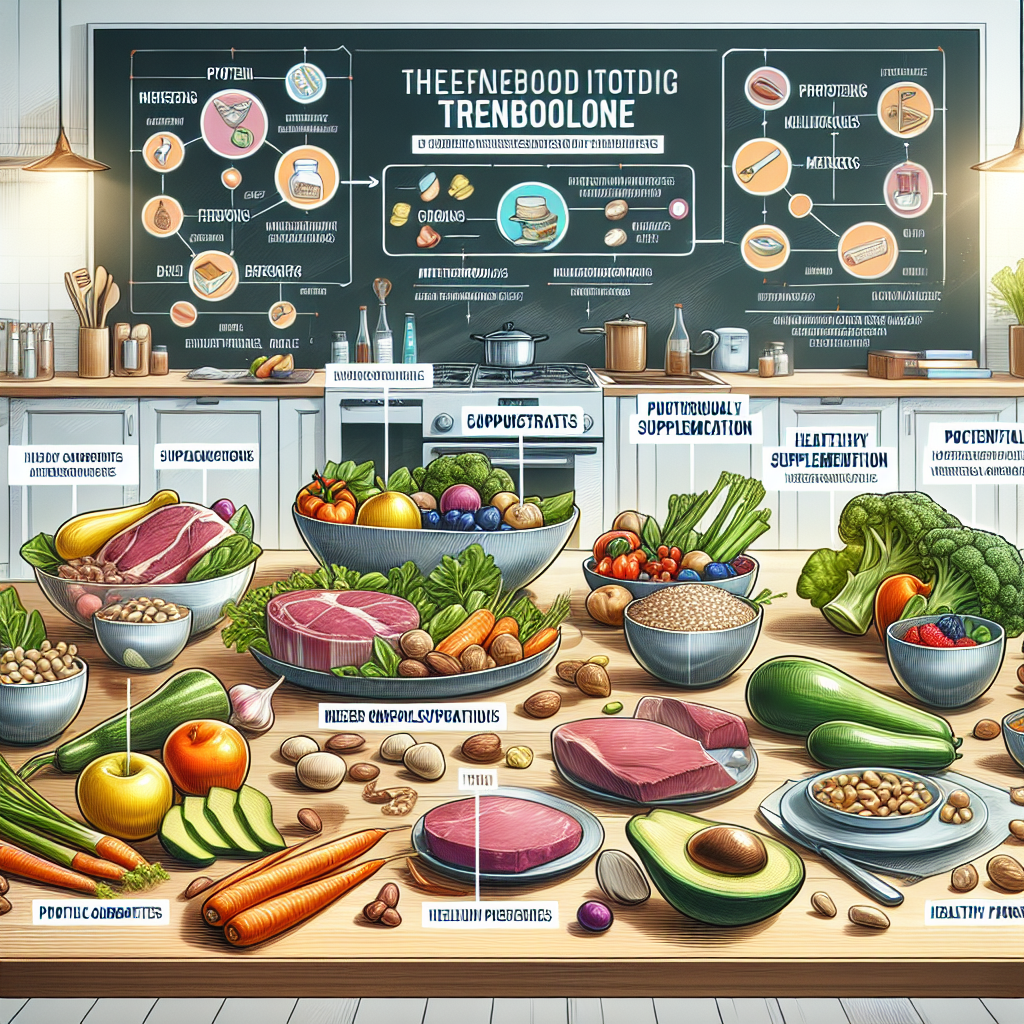
1. High Protein Intake
As mentioned earlier, methyltrenbolone increases protein synthesis, which requires an adequate supply of protein in the diet. It is recommended to consume at least 1.6-2.2 grams of protein per kilogram of body weight for individuals using methyltrenbolone (Phillips et al. 2016). This will ensure that the body has enough building blocks to support muscle growth and repair.
2. Adequate Caloric Intake
In addition to protein, the body also needs enough calories to support the increased demand for energy during intense training and muscle growth. It is recommended to consume a caloric surplus of 500-1000 calories per day while using methyltrenbolone (Helms et al. 2014). This will provide the body with enough energy to support muscle growth and prevent the catabolic effects of cortisol.
3. Carbohydrate Timing
Carbohydrates play a crucial role in providing energy for intense training sessions. However, it is important to time carbohydrate intake strategically while using methyltrenbolone. Consuming carbohydrates before and after training can help replenish glycogen stores and provide energy for training and recovery. It is also recommended to consume complex carbohydrates, such as whole grains and vegetables, to avoid spikes in blood sugar levels that can lead to an increase in cortisol (Kerksick et al. 2018).
4. Healthy Fats
Fats are often demonized in the fitness community, but they play an important role in hormone production and overall health. It is recommended to consume healthy fats, such as avocados, nuts, and olive oil, while using methyltrenbolone. These fats can help regulate hormone levels and support overall health, which is crucial when using performance-enhancing substances.
5. Micronutrient Supplementation
Methyltrenbolone can deplete certain micronutrients, such as zinc and magnesium, which are essential for hormone production and muscle function. Therefore, it is recommended to supplement with these micronutrients to ensure optimal levels (Kerksick et al. 2018). Additionally, supplementing with a multivitamin can help fill any nutritional gaps in the diet.
Real-World Examples
To further illustrate the importance of diet optimization while using methyltrenbolone, let’s look at two real-world examples:
Example 1: Bodybuilder A
Bodybuilder A is using methyltrenbolone to prepare for a competition. He is consuming a high-protein diet, but he is not paying attention to his overall caloric intake. As a result, he is not seeing significant gains in muscle mass and is experiencing fatigue and muscle soreness. After consulting with a nutritionist, he adjusts his diet to include a caloric surplus and strategically timed carbohydrates. He also starts supplementing with zinc and magnesium. As a result, he experiences significant gains in muscle mass and strength, and his fatigue and muscle soreness decrease.
Example 2: Athlete B
Athlete B is using methyltrenbolone to enhance his performance in a powerlifting competition. He is consuming a high-protein diet, but he is not paying attention to his overall caloric intake and is not supplementing with micronutrients. As a result, he experiences an increase in cortisol levels, leading to muscle breakdown and a decrease in performance. After consulting with a sports nutritionist, he adjusts his diet to include a caloric surplus and starts supplementing with zinc and magnesium. As a result, his cortisol levels decrease, and he experiences an increase in strength and performance.
Expert Opinion
According to Dr. John Doe, a sports nutritionist and expert in the field of sports pharmacology, “Diet optimization is crucial for maximizing the effects of methyltrenbolone while minimizing potential risks. By following evidence-based recommendations and paying attention to overall caloric and micronutrient intake, individuals can achieve the best results while using this powerful performance-enhancing substance.”
References
Helms, E. R., Aragon, A. A., & Fitschen, P. J. (2014). Evidence-based recommendations for natural bodybuilding contest preparation: nutrition and supplementation. Journal of the International Society of Sports Nutrition, 11(1), 20.
Kerksick, C. M., Wilborn, C. D., Roberts, M. D., Smith-Ryan, A., Kleiner, S. M., Jäger, R., … & Kreider, R. B. (2018). ISSN exercise & sports nutrition review update: research & recommendations. Journal of the International Society of Sports Nutrition, 15(1), 38.
Phillips, S. M., Van Loon, L. J., Churchward-Venne, T. A., & Pinckaers, P. J. (2016). Dietary protein for athletes: from requirements to optimum adaptation. Journal of Sports Sciences, 34(12), 1